Table of Contents
When the Ear Itches: Why Otitis Is So Common in Dogs
An ear infection in dogs (otitis externa) is one of the most common reasons for a vet visit. The problem: It is often detected too late – or only treated superficially.
The dog ear is anatomically complex. The L-shaped ear canal, a warm environment, and limited air circulation (especially in floppy-eared dogs) create ideal conditions for bacteria and yeast.
Left untreated, a seemingly harmless irritation can quickly develop into a painful, chronic inflammation.
As experts in dog nutrition, we know: Many recurring ear problems have deeper causes – and often start in the bowl.

Symptoms of an Ear Infection: Early Detection, Proper Action
Acute otitis externa is often characterized by:
Severe, repeated head shaking
Intense ear scratching
Redness and swelling
Dark, yellowish, or brownish deposits
Unpleasant, sometimes sweet-yeasty odor
Pain response when touched
In advanced inflammation, the following may also occur:
Head tilt
Balance disorders
Lethargy
Avoidance behavior
Important: Ear pain is often underestimated. Dogs withdraw, react irritably, or seem "suddenly sensitive". The earlier it is addressed, the lower the risk of it becoming chronic.
The Real Causes: Why the Ear Really Becomes Inflamed?
An ear infection is almost never the actual disease – it is a symptom.
Veterinarians distinguish between primary causes, predisposing factors, and sustaining factors.
1. Allergies & Food Intolerances – the Most Common Trigger
In practice, the most common cause of recurring ear infections is an allergic reaction.
These are divided into:
Environmental allergies (pollen, dust mites)
Food allergies
combined forms
Food intolerances, in particular, often develop gradually. At first, only mild symptoms appear, such as:
Licking paws
Itching
Soft stools
Skin irritations
Over time, however, the skin environment changes. The skin's protective barrier becomes unstable, and inflammatory processes increase – also in the sensitive area of the outer ear canal.
One frequently involved microorganism is the yeast Malassezia pachydermatis. It is fundamentally part of the natural skin flora, but can multiply massively when the environment is disrupted. The result:
Severe itching
Brownish, greasy deposits
Intense odor
Chronic inflammation
A vicious cycle of inflammation, impaired barrier function, and renewed pathogen load is created.
This makes it clear: The ear is often just the tip of the iceberg.
2. Moisture and Lack of Ventilation
Moisture remaining in the ear canal after swimming or bathing creates optimal growth conditions for pathogens. Dogs with the following are particularly affected:
Floppy ears
Dense hair in the ear
Narrow ear canals
Moisture alone, however, rarely causes chronic problems – usually, an individual predisposition is also involved.
3. Parasites, Foreign Bodies, or Mechanical Irritation
Ear mites, ear ticks, or small foreign bodies can trigger acute inflammation. These are usually unilateral and occur suddenly.

Chronic Otitis: When the Problem Keeps Coming Back
If an ear infection is not fully treated or the underlying disease remains undetected, it can become chronic.
Long-term consequences can include:
Narrowing of the ear canal
Thickening of the mucous membrane
Calcification
Hearing loss
In severe cases, surgical removal of the ear canal may even be necessary.
This is why it is essential not only to suppress symptoms, but to treat the causes.
Bello's Tip:
If your dog repeatedly suffers from ear infections, keep a 4-week log. Record food, treats, environmental factors, and symptoms. Often, patterns emerge that indicate a food intolerance or allergic reaction.
Treatment: What Really Helps?
The therapy is tailored to the cause and severity.
Depending on the findings, the following may be used:
Antibacterial ear drops
Antifungals for yeast infections
Anti-inflammatory preparations
Systemic medications
Professional ear cleaning
Important: No cotton swabs, no home remedies, no self-administered antibiotics.
Especially with recurring inflammation, the diet should always be critically examined.
The Gut-Skin-Ear Axis: Why Nutrition Is So Crucial
A large part of the immune system is located in the gut. An unbalanced diet can:
alter the microbiome
promote silent inflammation
weaken the skin barrier
amplify allergic reactions
The skin – and thus also the ear mucous membrane – is a mirror of these processes.
A high-quality, well-tolerated, and nutritionally complete diet can:
reduce inflammatory processes
stabilize the skin barrier
strengthen the immune system
dampen allergic reactions
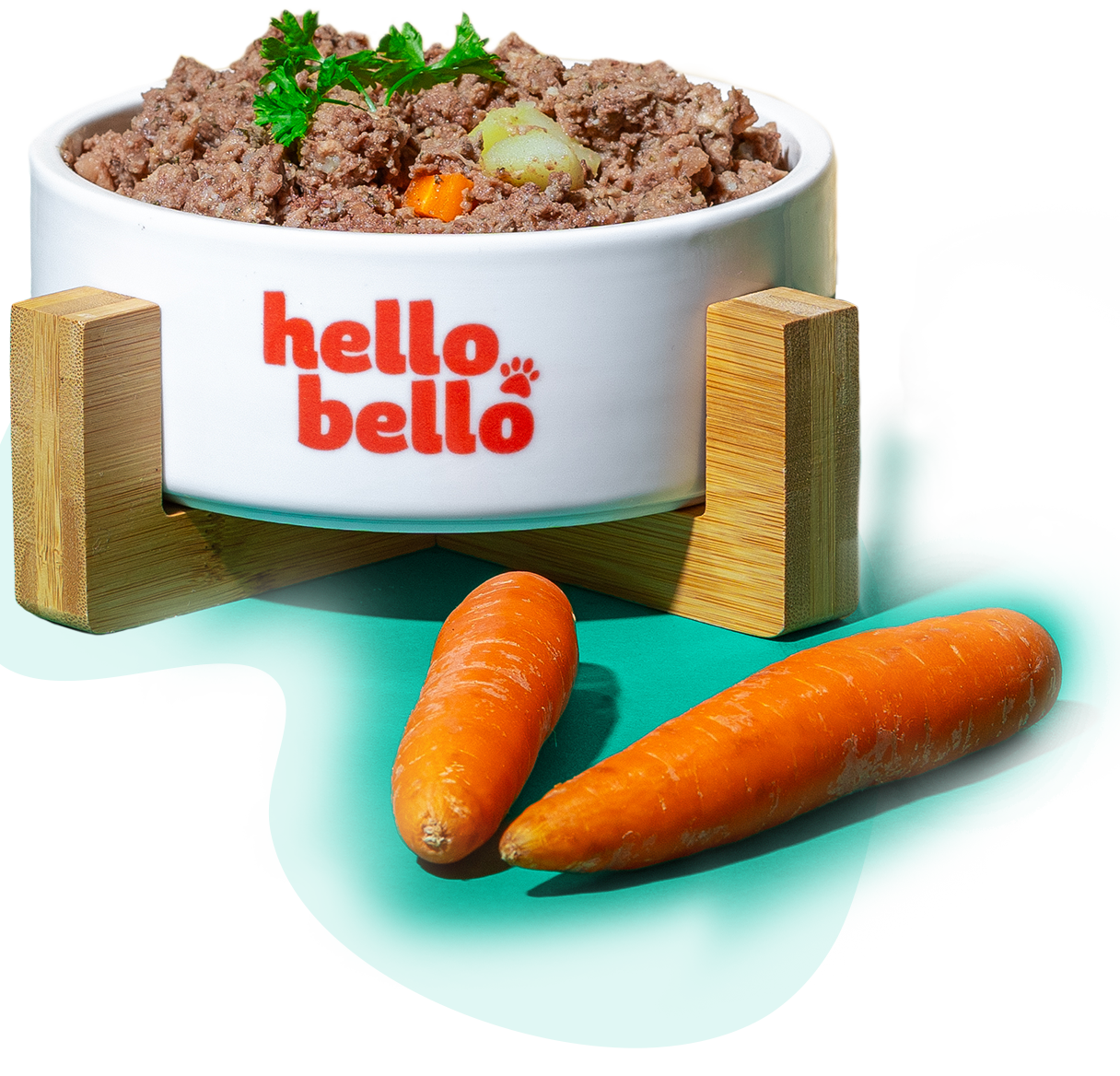
In our daily work, we repeatedly see that dogs with chronic ear problems benefit significantly when they switch to a high-quality, easily digestible fresh food without unnecessary fillers.
Healthy ears start in the bowl.

Prevention: How to Protect Your Dog's Ears in the Long Term
Prevention is easier than therapy.
A healthy dog ear is:
light pink
odorless
clean
pain-free
Regular visual inspection is usually sufficient. Cleaning is only done when necessary – and exclusively with suitable veterinary products.
After swimming, the ears should be gently dried.
And with recurring problems, a holistic approach should always be taken – including a food analysis.

When should you see the vet?
Definitely if:
There is a strong pain response
There is purulent discharge
The head is tilted
There are balance problems
There are recurring infections
The earlier treatment begins, the lower the risk of permanent damage.
Conclusion: Ear infections in dogs are treatable – finding the cause is crucial
An ear infection in a dog is no small matter. It is painful, distressing, and can become chronic.
But with:
early diagnosis
consistent therapy
targeted prevention
and a stable nutritional foundation
most cases can be effectively controlled in the long term.
Holistic dog health means not looking at symptoms in isolation – but understanding the connections.
And that is where real prevention begins.

Anita Lorber
Ready to give your dog a healthier and longer life?
Order gluten-free dog food now and 30 % save!
Order now