
If your dog suddenly sits in front of their bowl and simply doesn't start eating, worry is usually immediate. Is it not eating out of spite, have they simply gotten bored of the food, or is something more serious going on? Almost every dog owner knows this uncertainty at some point.
The good news first: In the vast majority of cases, occasional loss of appetite is harmless and can be brought back under control with a few targeted adjustments. The slightly more serious news: Loss of appetite can also be an early sign of a health problem that you should not take lightly, especially if it persists or is accompanied by other symptoms.
In this guide, we show you what the most common causes of loss of appetite in dogs are, which 7 tips will help you specifically stimulate your dog's appetite again, what role food quality plays in this, and how you can tell when a visit to the vet is necessary instead of continuing to try things out yourself.
Jump to section

How can you tell if your dog is really eating less?
Before you react, it pays to take a short, objective look at the situation. Not every missed meal is a red flag, but a few observations can help you assess it correctly:
- Is it a single missed meal, or has it been going on for several feedings or days?
- Is your dog not eating anything at all, or are they only leaving certain types of food or treats?
- Are their drinking habits, energy levels, stools, or behavior also changing?
- Have there been any recent changes: new food, a new environment, a vet visit, vaccination, or stress at home?
These four questions can help you roughly assess whether you are dealing with a behavioral or habit issue or whether you should take a closer look.
4 possible causes for loss of appetite
1. Health reasons
Health reasons are the cause of loss of appetite that you should first rule out or keep an eye on, especially if other symptoms are present. These include:
- Gastrointestinal issues such as nausea, heartburn, constipation, or mild gastritis
- Dental and oral problems, such as tartar, inflamed gums, or a broken tooth, that make chewing painful
- Infections or parasite infestations, such as worms, which additionally drain energy
- Pain of any kind, for example due to an injury, joint problems, or muscle tension
- Chronic diseases such as kidney, liver, or pancreatic problems, in which loss of appetite is often one of the first visible signs
- Side effects of medications, recently administered vaccinations, or anesthesia, which can temporarily affect the stomach
Especially in older dogs or dogs with known pre-existing conditions, loss of appetite is a symptom you should take more seriously than in an otherwise completely healthy young dog.

2. Food intolerances and food allergies
Food allergies or intolerances are among the causes that are most easily overlooked because they often show themselves with a time lag. A dog does not necessarily react immediately after eating, but sometimes only hours later or after repeated exposure to the triggering ingredient.
Typical triggers are certain protein sources such as beef, chicken, or wheat, but also artificial additives in highly processed food. In addition to loss of appetite, itching, recurring ear infections, soft stools, or bloating can occur. If you notice such patterns, a gradual food change to a manageable, high-quality ingredient list can help narrow down the trigger.
3. Behavior and stress
Dogs are creatures of habit, and their eating behavior often reacts sensitively to changes in everyday life. Among the most common triggers are:
- Moving, renovation, or a new piece of furniture right at the feeding area
- New family members, whether a baby, a partner, or another pet
- Separation anxiety or general restlessness when caregivers are away more often
- Loud noises, such as thunderstorms, fireworks, or construction noise
- Boredom with the same food, especially in dogs that are naturally picky
Competition at the bowl in multi-dog households or a too busy, loud feeding area can also lead to a dog preferring not to start eating at all.

4. Age and life stage
Both very young and older dogs often react differently in their eating behavior than healthy adult dogs in their prime. Puppies can temporarily eat worse due to teething, while seniors with a declining sense of smell, dental problems, or beginning organ issues are more often picky or show less appetite overall. For both groups: loss of appetite should be taken seriously sooner than in a robust, adult dog, because their energy reserves are lower.
Bello's Fact:
A healthy adult dog can usually go 1 to 2 days without food without it becoming dangerous, as long as they continue to drink and otherwise behave normally. In puppies, seniors, and dogs with pre-existing conditions, the reserves are significantly smaller: Here, even a missed meal can deserve more attention than in a robust, adult dog.
7 Tips for Loss of Appetite
The following 7 tips will help you stimulate your dog's appetite step by step again. It is best not to implement them all at once, but to observe what changes after each adjustment for one to two days.
- Regulate feeding times: Feed your dog at fixed times and take the food away after 20 to 30 minutes if they haven't eaten it, instead of leaving it out all day. This way, your dog learns that they should eat within a fixed time window, and constant grazing at the bowl, which spoils the appetite for the actual meal, is eliminated.
- Give fewer treats: Use treats specifically for training instead of constant snacking in between. Even small amounts of sausage, cheese, or chew items spread throughout the day can be enough to noticeably dampen the hunger for the main meal, especially in smaller dogs.
- Stimulate appetite specifically: A good walk before feeding, short play sessions, or a deliberately quiet, undisturbed feeding area can noticeably increase the appetite, because movement and relaxation prepare the body for food intake.
- Make food tastier: A little natural yogurt, high-quality salmon oil, a small amount of broth without onions, or warm water mixed in makes many meals significantly more attractive for picky dogs, without you having to change the entire food type right away.
- Warm food slightly: Warm the food slightly, just as you would do for yourself if you preferred a warm instead of a cold meal. Heat enhances the smell of the food, and dogs rely heavily on smell when eating, not just on taste.
- Check feeding routine and environment: A fixed, quiet place without hustle, away from loud household appliances, the front door, or a lot of foot traffic, takes stress out of the feeding situation. In multi-dog households, it can additionally help to give each dog their own, slightly separate feeding area.
- Go to the vet for persistent loss of appetite: If your dog eats little to nothing despite all measures for several days, you should not always continue to try things out with the feeding, but have a health reason ruled out by a veterinarian. The longer you wait, the harder it becomes later to distinguish what was the cause and what was a consequence of the loss of appetite.
Bello's Tip:
Keep a short diary for persistent loss of appetite: When does your dog eat how much, how are the stools, is there vomiting, drinking behavior, or behavioral changes? These few notes help your veterinarian in the practice narrow down the cause significantly faster than if you only remember vague impressions.
Food change: the best solution for picky dogs
Some dogs are naturally picky, regardless of how well you implement the tips mentioned above. In such cases, a consistent switch to high-quality, freshly cooked food can often make a real difference, because its smell, texture, and nutrient density differ significantly from classic dry food.
At HelloBello, every meal is individually tailored to your dog: Using the food calculator, you enter your dog's weight, age, activity level, and any special requirements; their actual calorie needs are calculated from this, and the appropriate amount is delivered to you as a ready-made, personalized feeding plan. This is doubly helpful for picky dogs: They receive neither too little nor too much, and the meal is tailored to their individual needs from the start, rather than to a rough average value on the packaging.
- Freshly cooked food: HelloBello recipes are made to food-grade standards, with fresh meat, vegetables, and healthy oils instead of highly processed extrudates. The more intense, natural smell often appeals significantly more to picky dogs and seniors than dry food does.
- Soft texture: particularly pleasant to chew, even for dogs with dental problems, recently operated teeth, or generally sensitive jaws.
- Individually calculated portions: tailored to weight, age, and activity level via the food calculator, rather than general feeding recommendations on the packaging.
- Practical and convenient: pre-portioned and delivered directly to your home, so your dog always gets the right amount and you don't have to worry about weighing it correctly.
Freshly cooked food can make a real difference with loss of appetite: It is particularly tasty, easy to digest, and provides your dog with all the important nutrients in a form that the body can easily absorb. HelloBello was developed together with veterinarians and combines the taste of home-cooked meals with a balanced, practical recipe that you don't have to put together yourself.

When is loss of appetite an emergency?
Loss of appetite alone is usually not a reason to panic. It looks different when one of these warning signs is added. In that case, you should contact a veterinary practice promptly instead of waiting:
- Your dog hasn't eaten anything for more than 24 hours, or even earlier for puppies or small dogs.
- Vomiting, diarrhea, fever, or severe lethargy also occur.
- Your dog seems to be in pain, has a bloated or hard belly, or shows altered drinking behavior, drinking significantly more or less than usual.
- Puppies, seniors, or dogs with pre-existing conditions stop eating altogether after just a few hours.
- Your dog withdraws significantly, hides, or shows overall very untypical behavior.
During the veterinary visit itself, the notes from the food diary (see Bello's tip above) will help you: details about the duration, accompanying symptoms, and any food changes in recent days provide the practice with important initial clues before blood tests or ultrasound are even used.
Frequently asked questions about loss of appetite in dogs (FAQ)
How long can a dog go without food?
A healthy adult dog can usually go 1 to 2 days without food as long as it continues to drink. For puppies, seniors, or dogs with pre-existing conditions, you should react much earlier and contact a veterinarian if in doubt.
What should I do if my dog suddenly stops eating?
First, observe your dog for 24 hours: Is it still drinking? Does it otherwise seem fit? Check the feeding routine, food quality, and possible stressors such as changes in the household. If the loss of appetite or other symptoms persist, a visit to the vet is the next sensible step.
Can a food change help if my dog is picky?
Yes. Many picky dogs accept freshly cooked, high-quality food better than highly processed dry food because the smell and taste are more intense. However, a food change should still be done gradually over several days so that the gastrointestinal tract can adapt.
Is loss of appetite in dogs always a warning sign?
No, occasional loss of appetite is normal and often harmless, for example after a lot of excitement or in very hot weather. Warning signs are loss of appetite for more than 24 hours, additional vomiting, diarrhea, fever, or severe lethargy.
What role does stress play in dogs' eating behavior?
Stress from changes in daily life, loud noises, or unrest at the feeding area can significantly reduce appetite. A fixed, quiet feeding area and regular routines help to noticeably reduce this stress.
Why does my puppy eat poorly during teething?
During teething, chewing can temporarily be painful, which causes many puppies to eat less or more cautiously. Softer, slightly warmed food can help during this phase, even if there isn't necessarily an underlying health problem.
How can I tell if my dog has a food intolerance?
Typical signs are recurring loss of appetite after certain types of food, itching, soft stools, or bloating. Gradually switching to a manageable, high-quality list of ingredients helps narrow down possible triggers, together with your veterinarian if in doubt.
Conclusion: Correctly assessing loss of appetite in dogs
If your dog isn't eating, it's worth taking a calm, systematic look at possible causes first: health, food intolerance, stress, and your dog's current life stage are the most common triggers. With fixed feeding times, fewer treats in between, targeted appetite stimulation, and a quiet feeding area, appetite can be noticeably improved in many dogs without necessarily indicating something serious.
Switching to freshly cooked, individually calculated food like that from HelloBello can help additionally, especially for picky dogs, seniors, or dogs with sensitive stomachs. If loss of appetite persists despite all measures, warning signs such as vomiting, diarrhea, or severe lethargy appear, or if it affects a puppy, senior, or dog with pre-existing conditions, it should be promptly checked by a veterinarian instead of continuing to try things yourself.


Anita Lorber
Ready to give your dog a healthier and longer life?
Order gluten-free dog food now and 30 % save!
Order now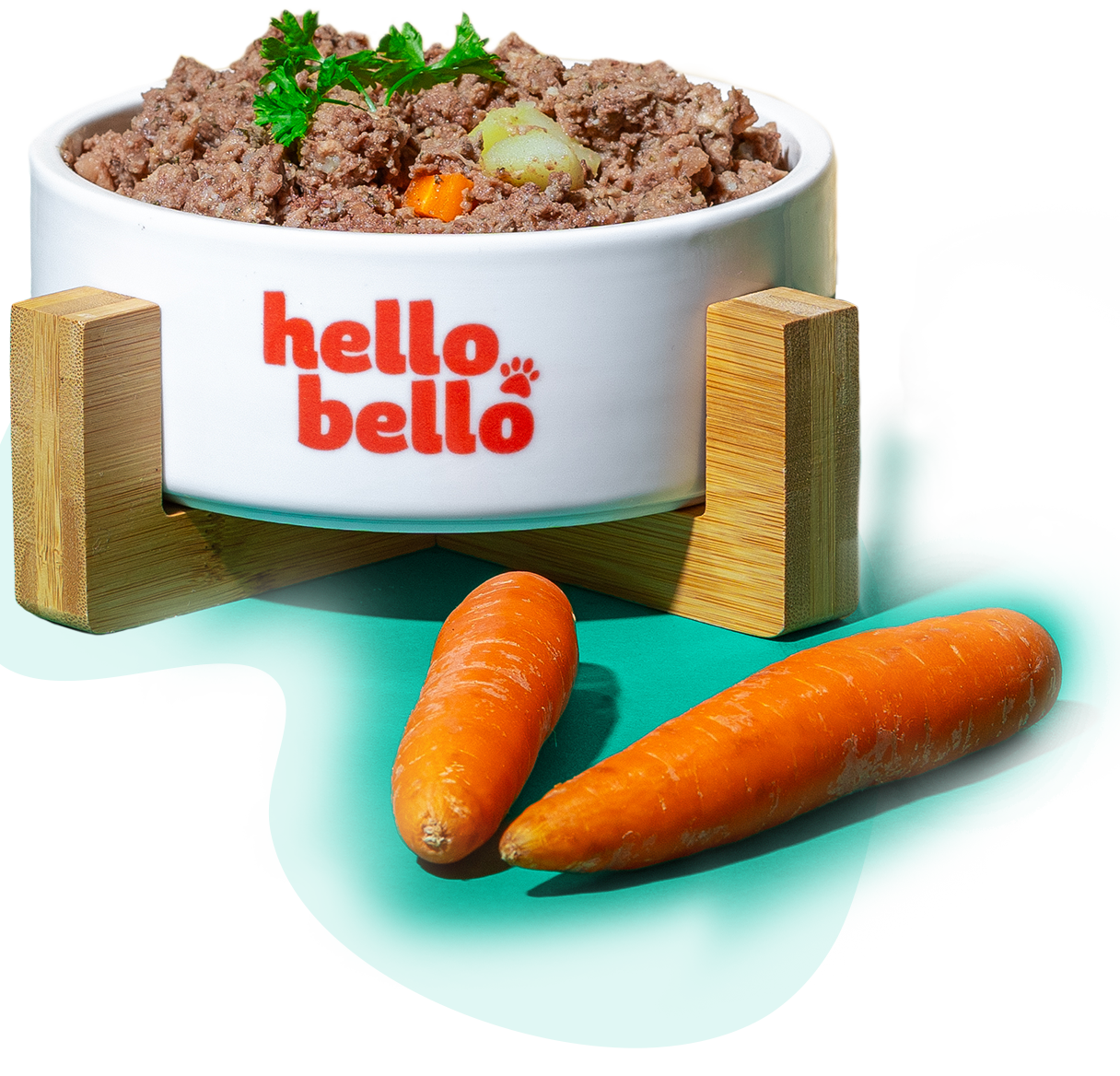


Ähnliche Artikel


