Gastrointestinal problems in dogs are a common challenge that our beloved four-legged friends can experience again and again. These digestive problems often resemble the symptoms we humans experience. From nausea and diarrhea to a complete loss of appetite – the signs can vary and require a quick response as a caring dog owner.
In this comprehensive blog post, we want to shed more light on this topic to create a better understanding of gastrointestinal problems in dogs. We answer your 10 most common questions so that you know exactly how you can help your beloved pet in case of emergency.
Table of Contents
1. What are the causes of gastrointestinal problems in dogs?
Digestive problems can have many different causes in our furry friends. Sometimes it's just a minor issue, sometimes a serious illness is behind it.
Common everyday triggers
A very common cause is feed intolerances and allergies, in which certain ingredients in industrial feed lead to digestive problems. The classic "vacuum cleaner behavior" on walks – that is, secretly eating trash, food scraps, or even poison baits – also quickly leads to an acute stomach upset. Stress and anxiety (e.g. due to moving, separation anxiety, or New Year's Eve) can also take a heavy toll on the stomach, as the gut in dogs is closely connected to the nervous system.
Infections and other diseases
Infections with viruses, bacteria, or annoying parasites such as Giardia or worms are widespread and often lead to acute diarrhea or vomiting. Taking certain medications (such as antibiotics) can also severely impair the normal function of the gastrointestinal tract. Therefore, it is important to know the possible triggers so that targeted measures can be taken.
Good to know: How long does food stay in a dog's stomach?
As a rule, it takes about 6-8 hours for food to leave the stomach. However, this varies greatly depending on size, breed, and type of food. Dry food often takes significantly longer than easily digestible food.

2. What symptoms should I look out for in my dog?
A gastrointestinal infection in dogs can cause a variety of symptoms. You should pay particular attention to the following signs so that you can act early:
Vomiting: Dogs with gastrointestinal problems vomit frequently, sometimes several times in a row. This clearly shows that the body wants to get rid of something.
Diarrhea: Another noticeable symptom is mushy to watery stool. If the stool is bloody, this is a warning sign that must be checked by a veterinarian immediately.
Loss of appetite: If your usually ravenous four-legged friend leaves their bowl, this strongly indicates stomach pain or nausea.
Dehydration: If your dog loses a lot of fluid, they will become dehydrated. Look for dry mucous membranes and check if a skin fold on the neck flattens out immediately.
Lethargy: The animals feel tired, weak, and withdrawn.
When is a visit to the veterinarian unavoidable?
If your dog's condition is severe, they appear apathetic, have a fever, the vomiting does not stop, or puppies and seniors are affected, you should definitely see a veterinarian.
3. What should I feed my dog when their stomach is too acidic?
For dogs with an overly acidic stomach, a lightly digestible and low-fat diet is of the utmost importance, as it helps not to put additional strain on the digestive tract.
Cooked chicken breast or turkey meat in combination with mushy cooked rice or potatoes is recommended as a bland diet for dogs. These meals offer good nutrient supply and soothe the stomach. It is important to completely avoid fatty foods and treats.
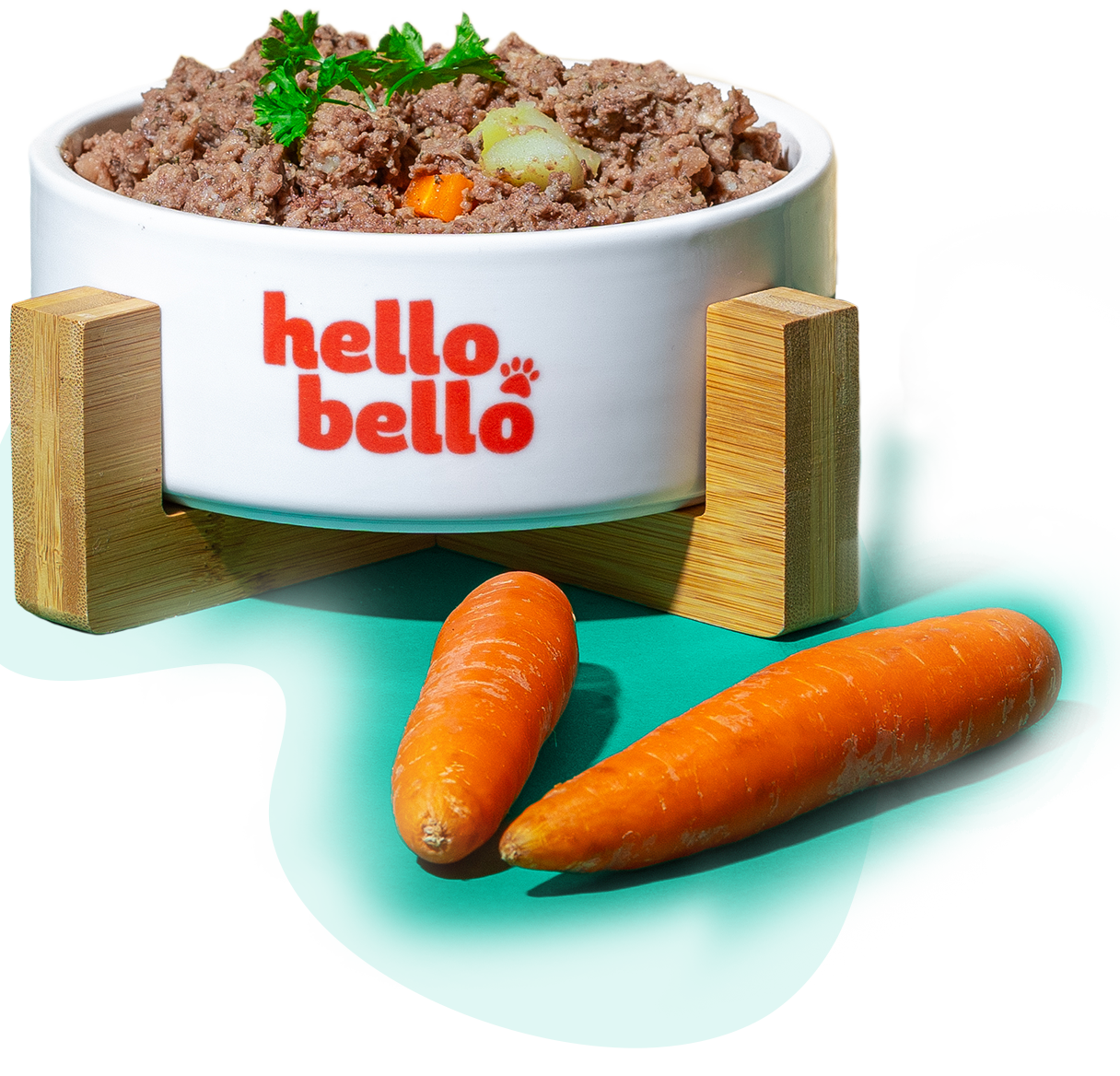
HelloBello Fresh Food contains high-quality, fresh ingredients that are gently prepared at low temperatures. This makes it particularly gentle on the stomach and ideal for dogs with sensitive diets.

4. Gastrointestinal problems in dogs: Are they contagious?
It depends entirely on the cause. If the discomfort was triggered by spoiled food or stress, there is no danger to other dogs. However, if it is a viral or bacterial infection (e.g. parvovirus, Giardia, or salmonella), the utmost caution is required!
In general, dogs with infectious gastrointestinal problems are considered contagious as long as they have vomiting or diarrhea. During this time, you should definitely keep your sick dog away from other dogs and collect the stool meticulously during walks.
5. How long does a gastrointestinal infection last in dogs?
The duration can vary greatly depending on the cause and the dog's immune defense. A simple stomach upset caused by eating the wrong thing often subsides after 24 to 48 hours.
However, if it is persistent parasites or a severe infection, the symptoms can drag on for one to two weeks. It is important that sick dogs need a lot of rest during this time to recover.

6. Which medications help with gastrointestinal problems?
The use of medications should always be tailored individually to your dog and after consultation with a professional. Please never give your dog medications from your own home medicine cabinet, as many active ingredients that are safe for humans are toxic to dogs! The veterinarian can prescribe the following:
Antibiotics: For proven bacterial infections.
Antiemetics: Medications to suppress severe vomiting.
Adsorbents: To bind toxins in the gut and relieve diarrhea.
Prokinetics: To stimulate healthy bowel movements.
7. What to do? Proven home remedies for quick relief
If your dog has mild symptoms, there are gentle measures you can take. First and foremost is fluid intake. Always offer your dog fresh water, or add a dash of unsalted chicken broth to encourage them to drink.
You can also try mild home remedies: Lukewarm chamomile tea, fennel, or caraway often work wonders and soothe the irritated stomach lining naturally.

8. What helps firm up a dog's stool?
If your dog is suffering from persistent diarrhea, you'll want to help firm up their stool as quickly as possible. A real insider tip among dog owners is Moroccan carrot soup. Cooking carrots for hours creates special sugar molecules that attach to the intestinal wall and prevent bacteria from latching on.
Additionally, psyllium husks (psyllium seeds) can serve as a source of fiber, as they absorb excess fluid in the intestines and thus firm up the stool. Bentonite clay or a special paste from the vet can also be very useful.
9. Can dogs fast when they have gastrointestinal problems?
Yes, short-term fasting is often recommended. If your dog is vomiting or has acute diarrhea, a 12- to 24-hour fast can give the gastrointestinal tract the rest it needs to settle down (puppies and chronically ill dogs are exceptions—consult the vet immediately in these cases!).
It is important to note: The fast applies only to solid food. Water must be freely available at all times to prevent life-threatening dehydration!
10. How can I support my dog's gut flora in the long term?
After recovering from gastrointestinal problems in dogs, the gut flora is often out of balance, especially if antibiotics were administered. However, a healthy gut is the center of the immune system.
Bello's Tip:
To support your dog's gastrointestinal health permanently and in the long term, we recommend the HelloBello Gastrointestinal Drops. These contain probiotics and prebiotics, which promote natural intestinal regulation while also strengthening the immune system

Anita Lorber
Ready to give your dog a healthier and longer life?
Order gluten-free dog food now and 30 % save!
Order now