
Mixed-breed dogs are the first choice for many families. They are considered robust, resilient, and often healthier than purebred dogs. In fact, greater genetic diversity can reduce the risk of individual breed-specific diseases. But this very genetic diversity also makes their nutrition more complex.
Because while it is often relatively clear what breed-specific needs purebred dogs have, mixed breeds combine characteristics from different breeds – both physically and metabolically. A sporty hunting dog ancestry can meet the sensitivity of a small companion dog. A strong German Shepherd mix may have inherited a sensitive stomach from a poodle.
This means: Mixed-breed food should not be chosen as a one-size-fits-all solution, but should be individually tailored.
Table of Contents
Genetic diversity = individual metabolism
The genetic makeup of a mixed breed influences, among other things:
Energy requirements
Protein utilization
Fat metabolism
Digestive sensitivity
Tendency to overweight
A dog with a high need for work or exercise requires a significantly higher energy density than a relaxed indoor dog. At the same time, mixed breeds can react very differently to certain protein sources. Some tolerate poultry excellently, while others react sensitively to beef or grain components.
The production of digestive enzymes can also vary. This explains why one mixed-breed dog tolerates dry food without problems, while another of the same weight suffers from bloating or loose stools.
Therefore, the best food for mixed breeds is not the one with the loudest advertising promise, but the one that suits the individual metabolism.
Common nutritional problems in mixed-breed dogs
1. Digestive problems
Many mixed-breed dogs show a certain sensitivity in the gastrointestinal tract. Typical symptoms are:
recurring diarrhea
bloating
loose stools
slimy stool
sensitive stomach
Often the cause is not a disease, but the composition of the food. Highly processed food types, high grain content, or hard-to-digest protein sources can strain the intestines.
A high-quality mixed-breed food should therefore:
contain clearly declared ingredients
offer easily digestible protein sources
contain no unnecessary fillers
have a moderate fat content

2. Skin problems and itching
Skin and coat are frequent indicators of nutritional quality. Dull coat, increased scratching, or scaling can indicate insufficient supply of essential fatty acids or food intolerances.
Omega-3 fatty acids, zinc, and biotin play a central role for:
Skin barrier
Coat shine
Inflammation regulation
Especially with mixed breeds of unknown genetic origin, a clean, high-quality food base can have a preventive effect.
3. Overweight in mixed breeds
Overweight is one of the most common nutrition-related problems in dogs. Mixed-breed dogs are no exception here. Especially neutered animals or dogs with low activity levels tend to gain fat mass more quickly.
The consequences of chronic overweight are serious:
Joint problems
Cardiovascular strain
Diabetes risk
reduced life expectancy
An individually calculated mixed-breed food helps to adjust the calorie intake exactly to the needs, activity, and age.
Micronutrients: The underestimated key to long-term health
In addition to macronutrients such as protein, fat, and carbohydrates, micronutrients play a crucial role.
A nutritionally adequate diet supports:
Immune system
Cell protection
Joint health
Heart function
Muscle metabolism
Antioxidants can reduce oxidative processes. Glucosamine and chondroitin can be useful for larger mixed breeds with joint strain. Taurine supports heart health.
Especially with mixed-breed dogs whose final size or resilience is not always exactly predictable, a balanced supply is essential.

Why dry and wet food are not the ideal mixed-breed food
Who takes into account the individual needs of a mixed breed in terms of nutrient profile, energy balance, and tolerance, creates the foundation for a healthy, active life. HelloBello Fresh Food meets these requirements through needs-based recipes, controlled ingredients, and gentle preparation – and thus offers a more precise alternative to standardized food solutions.
Why other food types are often not optimal:
BARF requires sound expertise and careful hygiene. Errors in composition can lead to nutrient deficiencies, raw meat carries hygiene risks. Especially with mixed breeds with varying needs, a balanced, calculated nutrient supply is crucial.
Dry food is usually highly processed and often contains high grain or carbohydrate content. The low moisture content can strain digestion, while hard-to-digest fillers can promote bloating or stomach problems in sensitive mixed breeds.
Wet food varies greatly in quality. Unclear declarations, byproducts, or additives can lead to intolerances in sensitive dogs and do not always offer a balanced nutrient density.
All options are rarely optimally tailored to the special mixed-breed food needs. A high-quality, freshly cooked mixed-breed food, like what HelloBello Fresh Food offers, is the perfect alternative here. It combines fresh, natural ingredients with a gentle preparation that preserves all nutrients and optimally supports the sensitive digestion of a mixed breed.
HelloBello Fresh Food: The ideal mixed-breed food
HelloBello Fresh Food was developed to bridge the gap between healthy nutrition and dog taste, especially for mixed breeds. So when it comes to the well-being and health of your mixed breed, HelloBello Fresh Food is the optimal choice. It offers your dog everything he needs to stay active, happy, and healthy, and that in the best quality.
HelloBello offers freshly cooked dog food in food quality, free from artificial additives. Through the gentle preparation, important nutrients such as vitamins and minerals are preserved - perfect for the needs of your mixed breed.
Every meal is individually tailored to the size, weight, and activity of your mixed breed. This way, your dog gets exactly the amount of energy and nutrients he needs for his active life.
HelloBello Fresh Food contains all the important vitamins, healthy fats, and minerals that keep your mixed breed fit and at the same time ensure a shiny coat and strong joints.
HelloBello relies on fresh, regional ingredients that meet the highest quality standards. This way, you are doing something good not only for your mixed breed, but also for the environment.
With HelloBello Fresh Food, you choose a mixed-breed food that combines health, taste, and sustainability and offers your dog exactly what he deserves.

Conclusion: Mixed-breed food needs to be tailored to the individual
A mixed-breed dog is not a standard dog. Its genetic makeup is unique – and that is exactly why its diet should also be tailored to the individual.
The ideal food for a mixed-breed dog:
is based on its actual energy requirements
contains high-quality, easily digestible ingredients
is free from unnecessary fillers
supports skin, coat, and joints
promotes long-term health
By consciously choosing their mixed-breed dog's diet, owners are not just investing in short-term satiety, but in quality of life and vitality for many years to come.
Ready to give your dog a healthier and longer life?
Order gluten-free dog food now and 30 % save!
Order now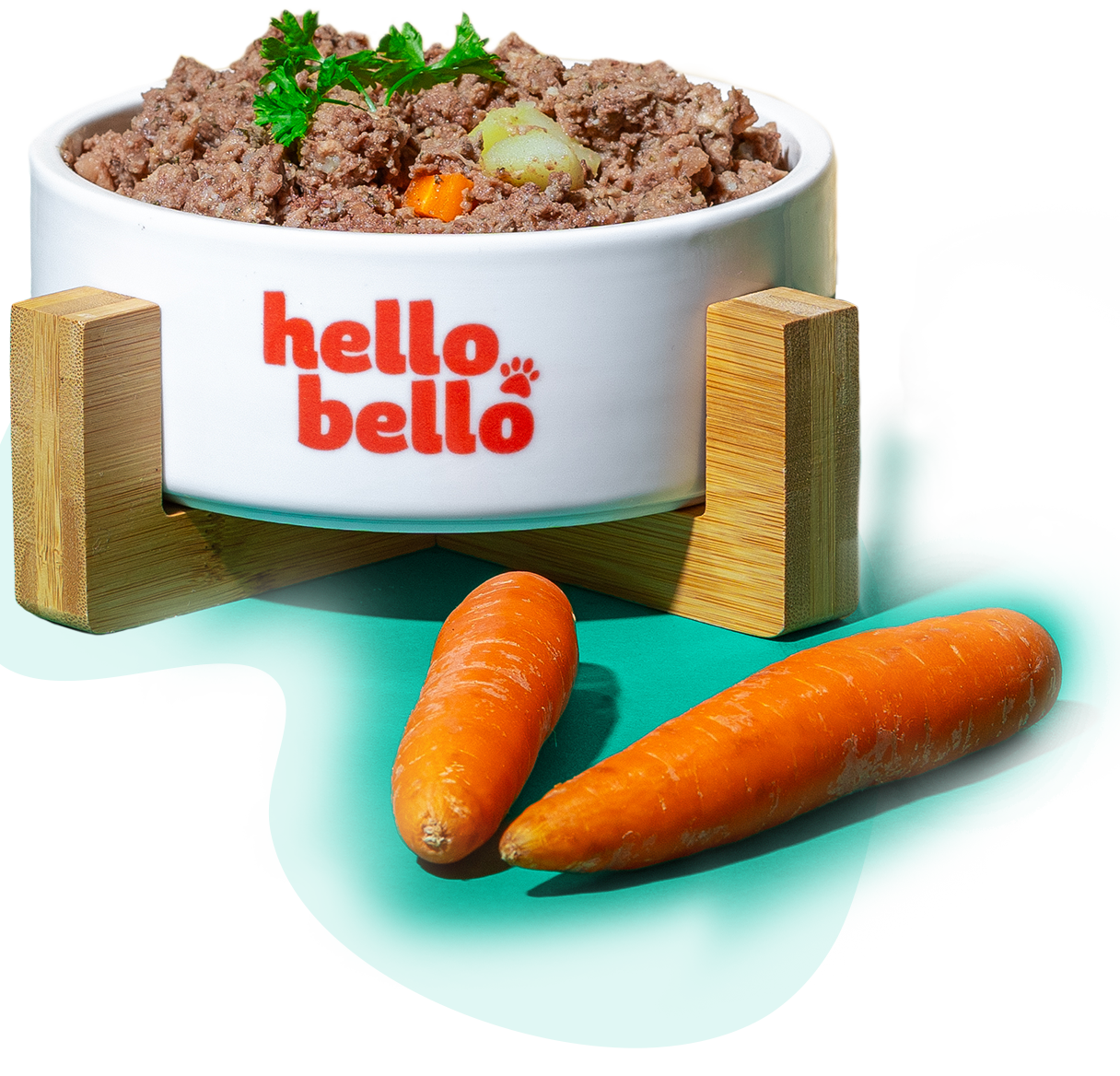


Ähnliche Artikel


